Arkhalia Home

Category

Mythology & Pop Culture

9 articles

When the Erased Return: How Horror Fiction Channels the Gods We Buried

When the Erased Return: How Horror Fiction Channels the Gods We Buried

Modern horror has an uncanny habit of reaching into the graves of suppressed mythological traditions and pulling something ancient back into the light. The monsters haunting contemporary fiction are often not invented at all — they are deities whose cults were dismantled, whose names were forbidden, and whose power was never truly extinguished. What this pattern reveals about our collective relationship with abandoned sacred narratives is as unsettling as the stories themselves.
When Consequence Became Curse: What Mesopotamia Knew About Fate That Fantasy Has Forgotten

When Consequence Became Curse: What Mesopotamia Knew About Fate That Fantasy Has Forgotten

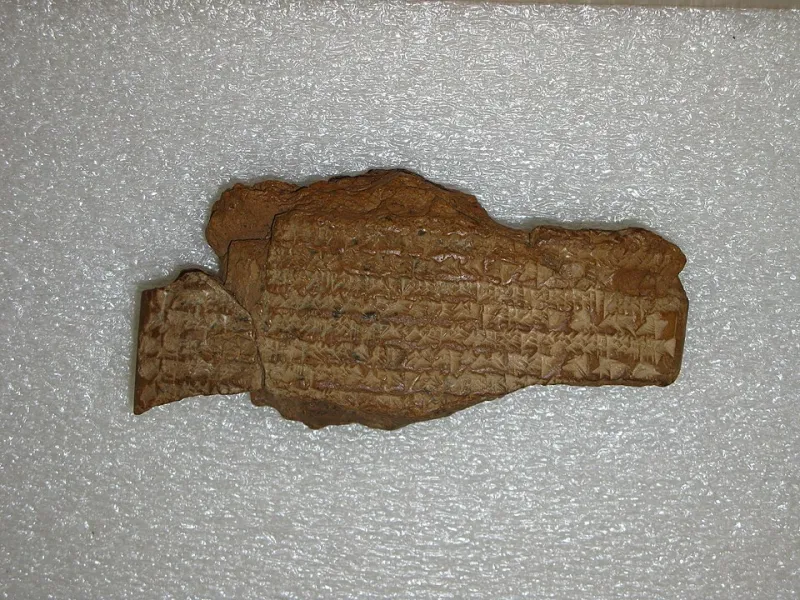
Ancient Mesopotamian storytelling understood that ruin did not require a villain with a wand — it required only a person, a choice, and time. Modern fantasy has replaced this unsettling truth with the comfort of magical retribution, turning consequence into curse and stripping human failure of its most honest dimension. Arkhalia examines what was lost in that substitution, and what the oldest surviving narratives might still teach the genre.

Gods Born from Silence: How History's Most Forgotten Empires Could Reshape Fantasy Forever

Gods Born from Silence: How History's Most Forgotten Empires Could Reshape Fantasy Forever

The Nabataeans carved their temples into rose-red cliffs and left almost no theology behind. The Cahokians raised a city larger than medieval London and vanished without a scripture. In the spaces where their gods once breathed, fantasy writers have found something more valuable than any documented pantheon — the raw, generative power of sacred absence.

Before Tolkien, There Was Tiamat: The Mesopotamian Roots of Every Magic System You've Ever Loved

Before Tolkien, There Was Tiamat: The Mesopotamian Roots of Every Magic System You've Ever Loved

Long before wizards spoke spells in invented tongues or sorcerers bent elemental forces to their will, ancient Mesopotamian scribes were encoding the universe's deepest operating principles into creation myths. The Enuma Elish and its kin did not merely explain how the world began—they described, with startling precision, how power works. Modern fantasy has been borrowing from these blueprints for a century without bothering to read the source.

Beneath the Hollow Hills: How Celtic Faerie Mythology Lost the Fantasy Wars — and Why That Loss Costs Us Everything

Beneath the Hollow Hills: How Celtic Faerie Mythology Lost the Fantasy Wars — and Why That Loss Costs Us Everything

Celtic mythology, with its labyrinthine faerie courts, morally ambiguous supernatural hierarchies, and deeply unsettling cosmology, should be dominating modern fantasy fiction. Instead, it lingers at the margins while Norse and Greco-Roman traditions command blockbuster franchises and bestseller lists. The reasons behind this imbalance reveal as much about American cultural memory as they do about the stories we choose to tell.

From Myth to Antihero: How the Ancient Trickster Became Fiction's Most Dangerous Protagonist

From Myth to Antihero: How the Ancient Trickster Became Fiction's Most Dangerous Protagonist

Across world mythologies, trickster figures were never meant to be admired — they were cautionary silhouettes cast against the firelight of moral order. Yet something shifted in the contemporary imagination, and now these chaos agents occupy the center of some of fiction's most celebrated narratives. What does our fascination with the rule-breaker reveal about the stories we most urgently need to tell?

Sympathy for the Beast: How Modern Storytellers Gave Ancient Monsters a Voice

Sympathy for the Beast: How Modern Storytellers Gave Ancient Monsters a Voice

For centuries, mythology handed us its villains fully formed — scaled, fanged, and morally uncomplicated. But contemporary fiction has quietly staged a revolution, pulling figures like Medusa, Frankenstein's creature, and the Minotaur out of the shadows and placing them center stage as protagonists of their own long-suppressed stories. What does it mean when the monster becomes the hero, and what does that transformation reveal about the cultures doing the rewriting?

The Door at the Edge of the World: What Portal Fantasy Reveals About the Human Need for Elsewhere

The Door at the Edge of the World: What Portal Fantasy Reveals About the Human Need for Elsewhere

From the wardrobe in a spare room to a platform hidden in plain sight at King's Cross Station, the portal has remained one of fiction's most durable and emotionally resonant devices for over a century. Its persistence across genres, media, and generations is not merely a matter of narrative convenience—it speaks to something fundamental in how human beings relate to the boundary between the ordinary and the extraordinary. Understanding why the portal endures means understanding something essenti

When Asgard Became a Franchise: The Mythology Marvel Left Behind

When Asgard Became a Franchise: The Mythology Marvel Left Behind

Marvel's Thor films have introduced millions of Americans to the names of Norse gods, yet the stories those names once carried remain largely untold. A closer examination reveals how Hollywood's appetite for spectacle has quietly hollowed out one of history's most philosophically rich mythological traditions. What the Eddas truly say about Odin, Thor, and the fate of all worlds is far stranger—and far more compelling—than anything on screen.